
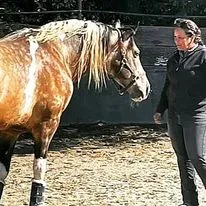
Fostering healthy relationships requires a paradigm shift away from transactional thinking, where the focus is not on keeping score of who has given what to whom. Rather, it is about cultivating mutual understanding, respect, and empathy. This is especially important when interacting with horses and animals, as humans often mistakenly view these relationships as a series of exchanges. However, genuine connection requires a willingness to see things from another’s perspective, being considerate of their unique experiences and perceptions. Humans have a tendency to impose their own perspectives, assuming them to be universally applicable. To foster deeper connections and intimacy, it is essential to develop active listening, presence, and perceptiveness. This enables us to communicate our care and compassion effectively. When considering our relationships with animals, particularly horses, this becomes a critical factor in understanding why interactions can sometimes go awry. Horses do not perceive the world in the same manner as humans, and their trust cannot be bought through material means. Instead, they respond to emotional balance, presence, and consideration. They trust leaders who demonstrate wise decision-making and provide a sense of security. Horses appreciate the company of individuals who can simply ‘be,’ relinquishing their agendas and valuing relational connection without expectation or strings attached. If we are receptive, horses can teach us invaluable lessons about emotional intelligence, relationship-building, and empathy.
++****++