
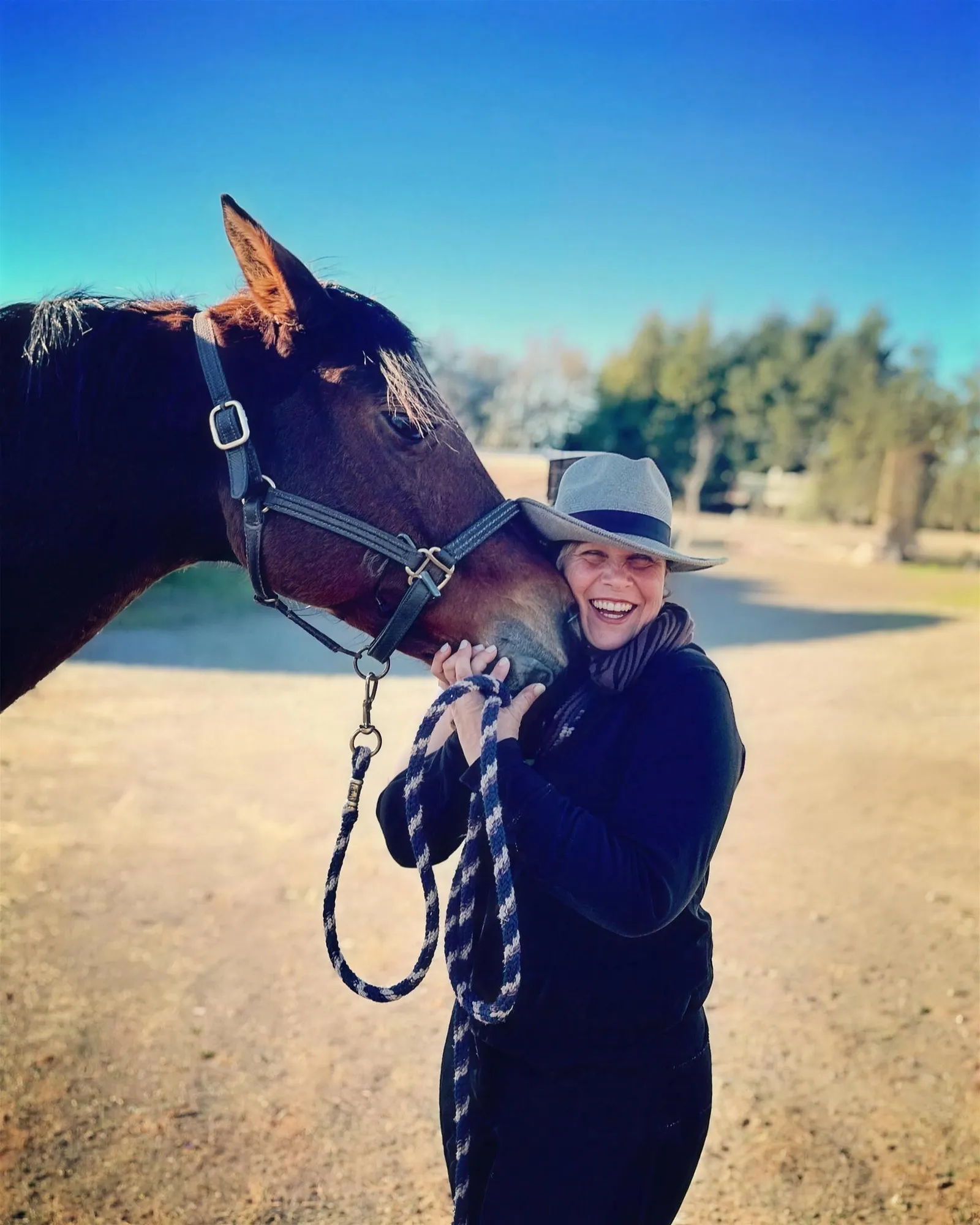
Tressa Boulden
A life with horses, and a tradition worth keeping.
Horses became a passion at five. Classical horsemanship became a calling in 1996.
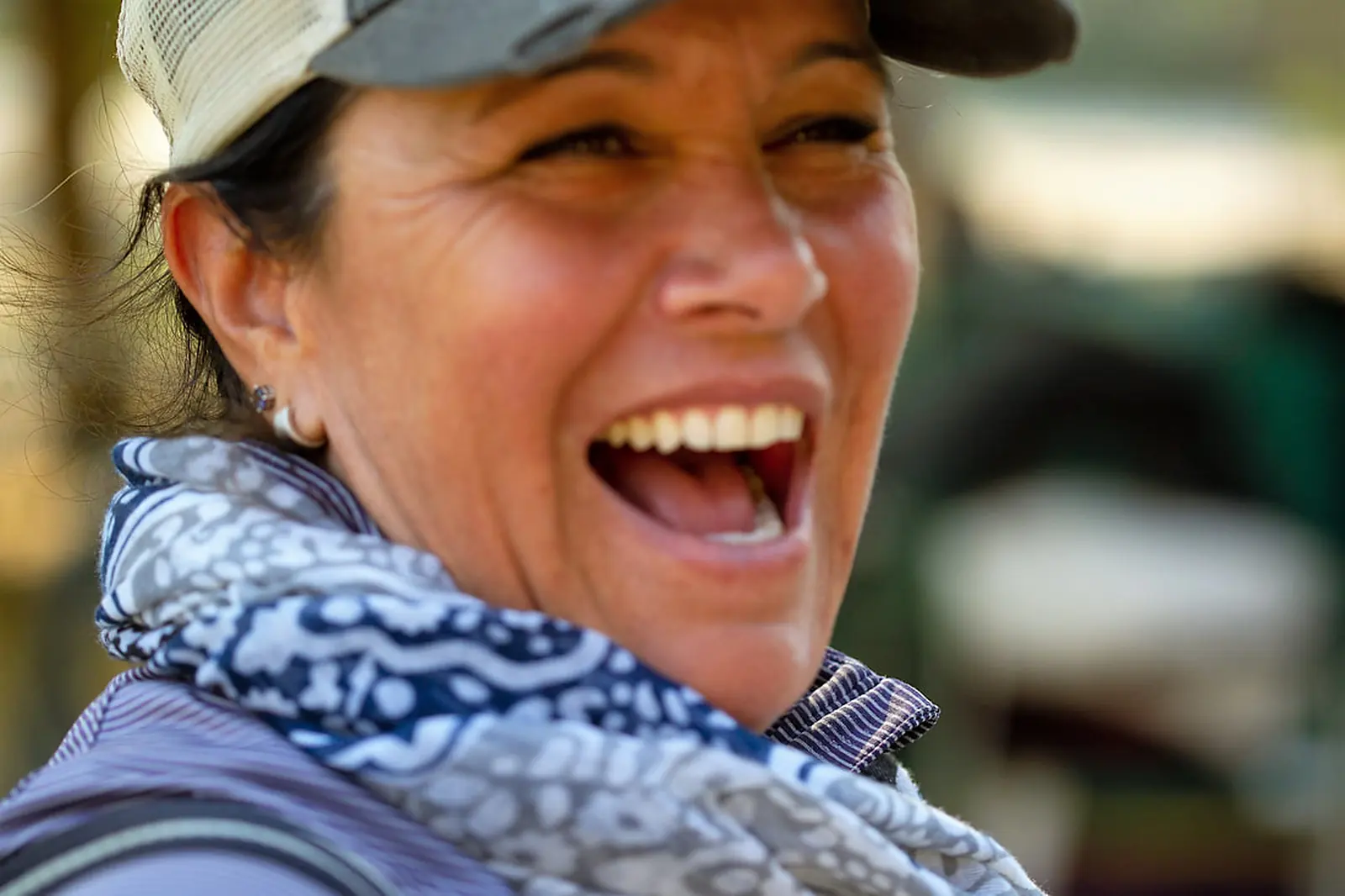
Tressa Boulden
In her words
Beginning at the age of 5, horses became a passion and an integral part of my life. Over the last 40 plus years, I have been exposed to many disciplines and approaches to training horses. My philosophy and my desire for knowledge in the art of classical horsemanship and dressage has been born of these experiences.
As a professional student of classical horsemanship, I enjoy sharing my knowledge with my students. My emphasis in teaching is on a rider's awareness of their equitation, their approach and how to be deliberate and clear in their communication with horses. I teach fundamental training principles that consider the horse's nature. Where correct equitation, technique with tact and timing of the rider's aids are of utmost importance, is the foundation of conscientious training.
In this traditional approach to training, the horse is best regarded when they are understood; then they can more easily go with our requests. It is in the consistent use of conscientious riding that renders trust that can help us promote the natural athletic ability of our horse. When we are correct in our training practices, the focus is the horse's wellbeing, and the horse will become more beautiful and enjoy their work.
Awareness first
My emphasis in teaching is on a rider's awareness of their equitation, their approach, and how to be deliberate and clear in their communication with horses.
The horse's nature, always
Fundamental training principles that consider the horse's nature always, where correct equitation and the tact and timing of the aids matter most.
Wellbeing is the focus
When we are correct in our training practices, the focus is the horse's wellbeing, and the horse becomes more beautiful and enjoys their work.
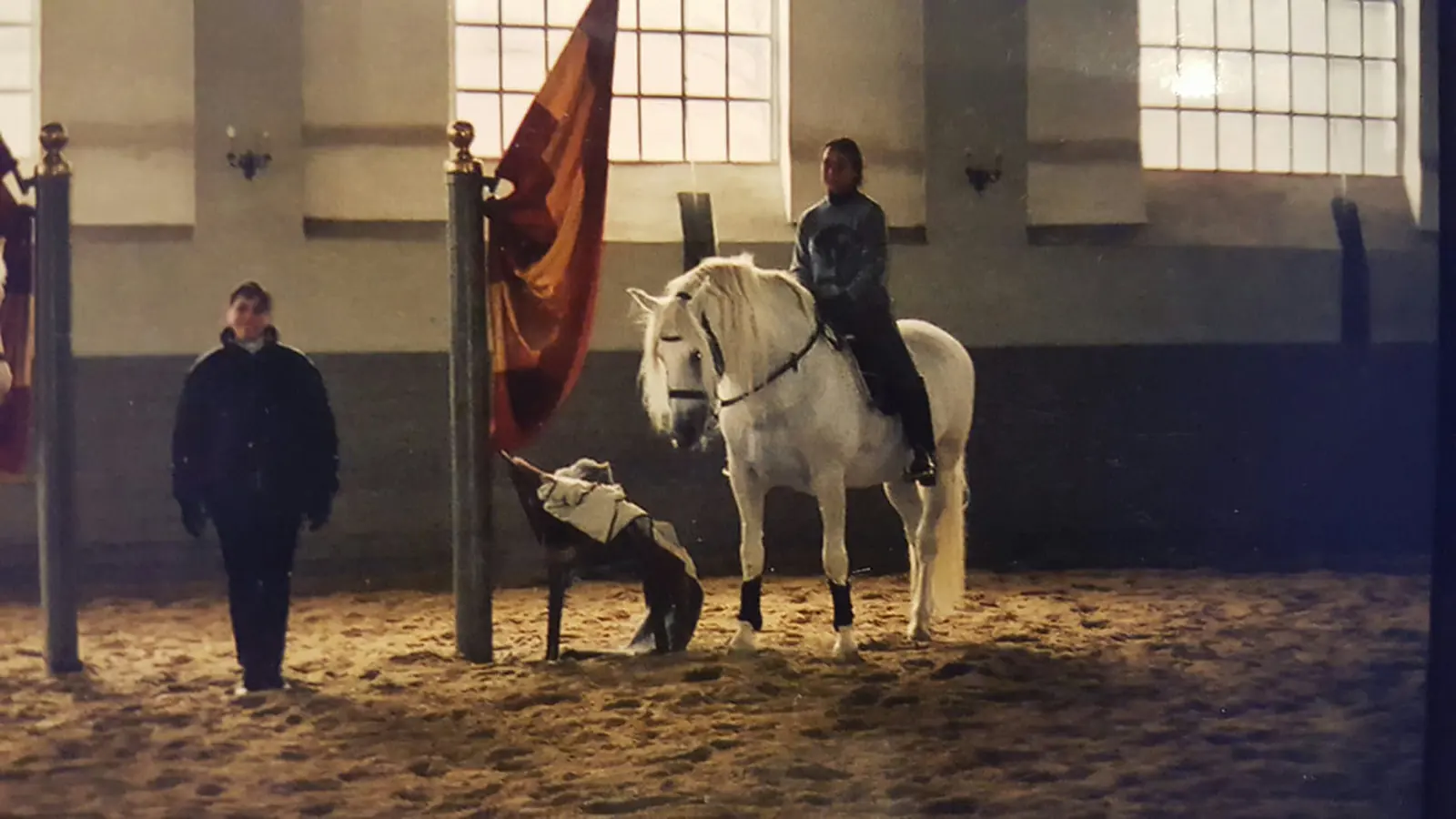
Tressa in Piber, Austria
Finding the lineage.
It wasn't until after meeting Melissa Simms in 1996, the head rider at the Reitinstitut Egon von Neindorff in Germany, that I found a practice of dressage with a true lineage standing on the upholding of classical principles.
Through my studies I have met many well-known instructors in the US and Europe, exploring the subtle differences in breeds, dressage philosophy and training approach. As a student, I wanted explanations to the instruction I received, in order to truly understand what approach was correct and most cohesive with each individual horse and his nature. My desire to learn about the methodology of training is what has kept me in the search for teachers that could expand my experience.
This tradition of German classical riding, as taught in the cavalry and the halls of famed riding masters, is what captured my interest. In recognizing the concise and clear nuances of communication that were to be learned through traditional training principles, I made a decision to fully immerse myself in its practice.
Melissa, a long-time trusted pupil of Herr Egon von Neindorff, was able to reshape my awareness and approach to horse training. Her guidance brought an emphasis to the importance of all riders having correct equitation. This is to be learned in lunge line lessons for many hours of one's life and countless hours of riding without stirrups. In this time I was lucky enough to acquire a position assisting Melissa in her training business. As a young rider in my twenties with enough experience and ability, I proved to be useful. I also kept full-time training with two of my horses for the next four years while she resided in California.
With constant strengthening and reinforcement of my equitation, I was immersed in the daily training process of a multitude of horses besides my own. We trained up to ten or more horses per day with a variety of challenges, circumstances and levels.
1996
Meets Melissa Simms, head rider of the Reitinstitut Egon von Neindorff, and begins more than 20 years of study.
Four years in California
Assists Melissa's training business; up to ten or more horses a day, two of her own in full training.
2001, Karlsruhe
Rides at the Reitinstitut, up to three lessons a day on horses Melissa trained with Herr von Neindorff, and meets him.
Over 20 years of clinics
Hosts Melissa at Traditions Farm a few times a year, keeping her coming back to Sonoma County.
February 14, 2018
Melissa Simms dies. Tressa continues teaching what she was taught.
To say I am grateful is an understatement. Melissa Simms changed the course of my life with horses. I continue down this path with pride, upholding classical horsemanship principles. Not only do I feel it honors the memory of my late mentor, but it is in this tradition that I continue to honor the horse.
Tressa Boulden
Since Melissa's passing
I have taken it upon myself to continue to bring awareness to these principles of classical horsemanship, bringing like minds together and creating a platform to educate those who wish to learn. Caring about the horse's wellbeing is the focal point of my mission, and holding onto traditional training methods that have held true to the test of time is my inspiration.
Since classical horsemanship is an art that is constantly seeking perfection, I will always be a student first and foremost.
Work with Tressa
Start with a note about your horse.
Virtual lessons, clinics, or lessons in Sonoma County. Tressa replies personally.
Or email bouldendressage@gmail.com